
Know the equipment condition
Give facility teams a clearer view of active concerns, developing issues, and equipment that may require monitoring or budget planning.
Planned Commercial HVAC Service
Facility-specific maintenance built around equipment condition, operating demands, planned inspections, and clear reporting.
Maintenance With a Purpose
Commercial maintenance is not a residential tune-up multiplied by the number of units. The useful scope reflects equipment type, facility demands, condition, access, and the consequence of an interruption.
Give facility teams a clearer view of active concerns, developing issues, and equipment that may require monitoring or budget planning.
Coordinate maintenance frequency, access, and task timing with occupancy, production, tenant, patient, and seasonal demands.
Compare equipment behavior and observed conditions over time so recurring or developing problems are less likely to remain invisible.
Document what was inspected, what was found, what was addressed, and what should be considered next by the facility team.
Agreement Development
Identify the systems, unit types, applications, access conditions, service history, and critical loads included in the maintenance scope.
Build visit frequency and planned tasks around equipment requirements, facility use, seasonal demands, and the agreed level of support.
Evaluate applicable mechanical, electrical, refrigerant, airflow, hydronic, control, and heat-transfer conditions during scheduled visits.
Separate completed maintenance from observed deficiencies, recommended corrective work, and longer-term equipment considerations.
Equipment Coverage
A single facility may contain several equipment types with very different maintenance requirements. Atlas builds the scope around the actual assets included in the agreement.
Planned inspection and maintenance for commercial rooftop units, split systems, ventilation equipment, and make-up air units.
View related capability →System-aware maintenance that considers connected indoor units, outdoor equipment, communication, sensors, refrigerant operation, and fault history.
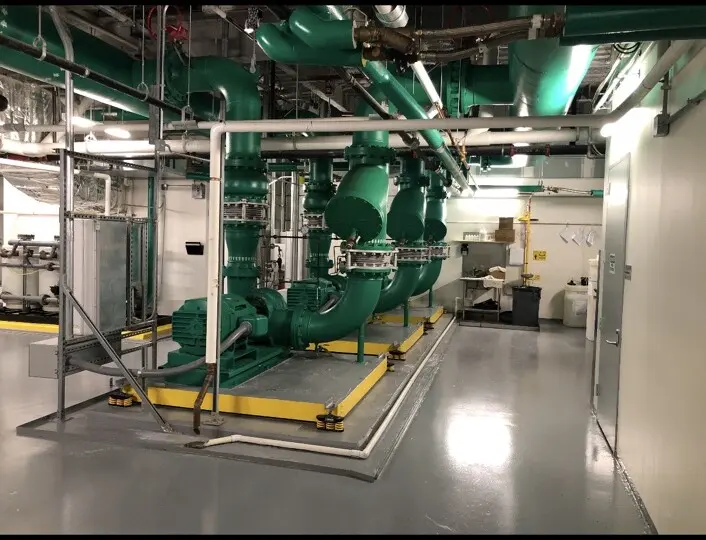
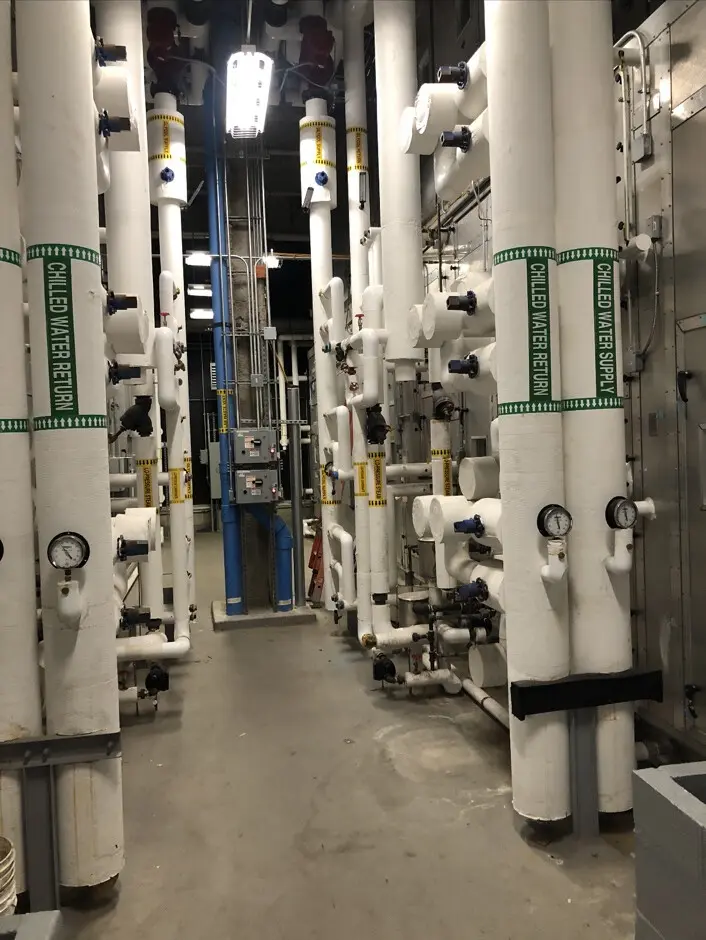
View related capability →Condition-focused support for chillers, pumps, valves, strainers, heat exchangers, and the equipment involved in chilled-water distribution.
View related capability →Inspection and mechanical maintenance for fans, motors, belts, drives, basins, water distribution, and connected tower components.
View related capability →Maintenance planning for terminal equipment, zone airflow components, and distributed water-source heat-pump systems.
View related capability →Planned service for process chillers, medical-imaging cooling, and other applications where equipment condition directly affects operations.
View related capability →Trane and Mitsubishi Electric are trademarks of their respective owners. Atlas Mechanical Solutions is an independent mechanical contractor and is not affiliated with, authorized by, or endorsed by either manufacturer.
Defined Scope
Each agreement should identify the covered equipment, service frequency, planned tasks, documentation, and any filters or consumables included in the scope.
Maintenance Questions
Atlas can review an equipment list, current maintenance history, known deficiencies, and site requirements before defining a proposed service scope.
Visit frequency depends on equipment type, application, operating hours, environment, facility requirements, and condition. Atlas defines frequency after reviewing the actual equipment and operating needs.
They can be included when specified in the agreement. The scope should clearly identify filter sizes, change frequency, and any other included consumables before service begins.
The agreement defines what is included. Conditions requiring corrective repair should be documented and addressed according to the authorization process established with the client.
Yes. A baseline inspection can establish current condition, identify immediate concerns, and separate deferred corrective work from the ongoing planned-maintenance scope.
Need a Maintenance Proposal?
Share the service address, equipment inventory, current provider scope if available, known trouble areas, and the reporting or scheduling requirements important to the facility.
Commercial Service Support